
Fleet Preventive Maintenance Programs for Commercial Trucks in Middle Tennessee
Preventive maintenance works best when it is managed as an ongoing program—not scheduled one truck at a time after service is already overdue.
West Power Services builds and carries out scheduled preventive-maintenance programs for commercial fleets throughout Nashville and Middle Tennessee. We help organize maintenance intervals around your vehicles, operating conditions, mileage, engine hours and service history. Our technicians then complete the appropriate inspections and maintenance, document their findings and identify what should be addressed before the vehicle returns to service.
Preventive maintenance can be performed at our Nashville and Goodlettsville repair locations or, for eligible services, through scheduled mobile and on-site fleet visits. Fleet customers can also use digital service records to review completed work, recommendations and upcoming maintenance needs.
Why Choose West Power Services:
- Nashville and Goodlettsville repair locations
- Scheduled mobile and on-site maintenance
- Light-, medium- and heavy-duty capability
- Digital service records through Fullbay
- Service for diesel and gasoline-powered fleet vehicles
West Power Services currently services light-, medium- and heavy-duty commercial vehicles, with repair facilities in Nashville and Goodlettsville and scheduled mobile service throughout its service area.
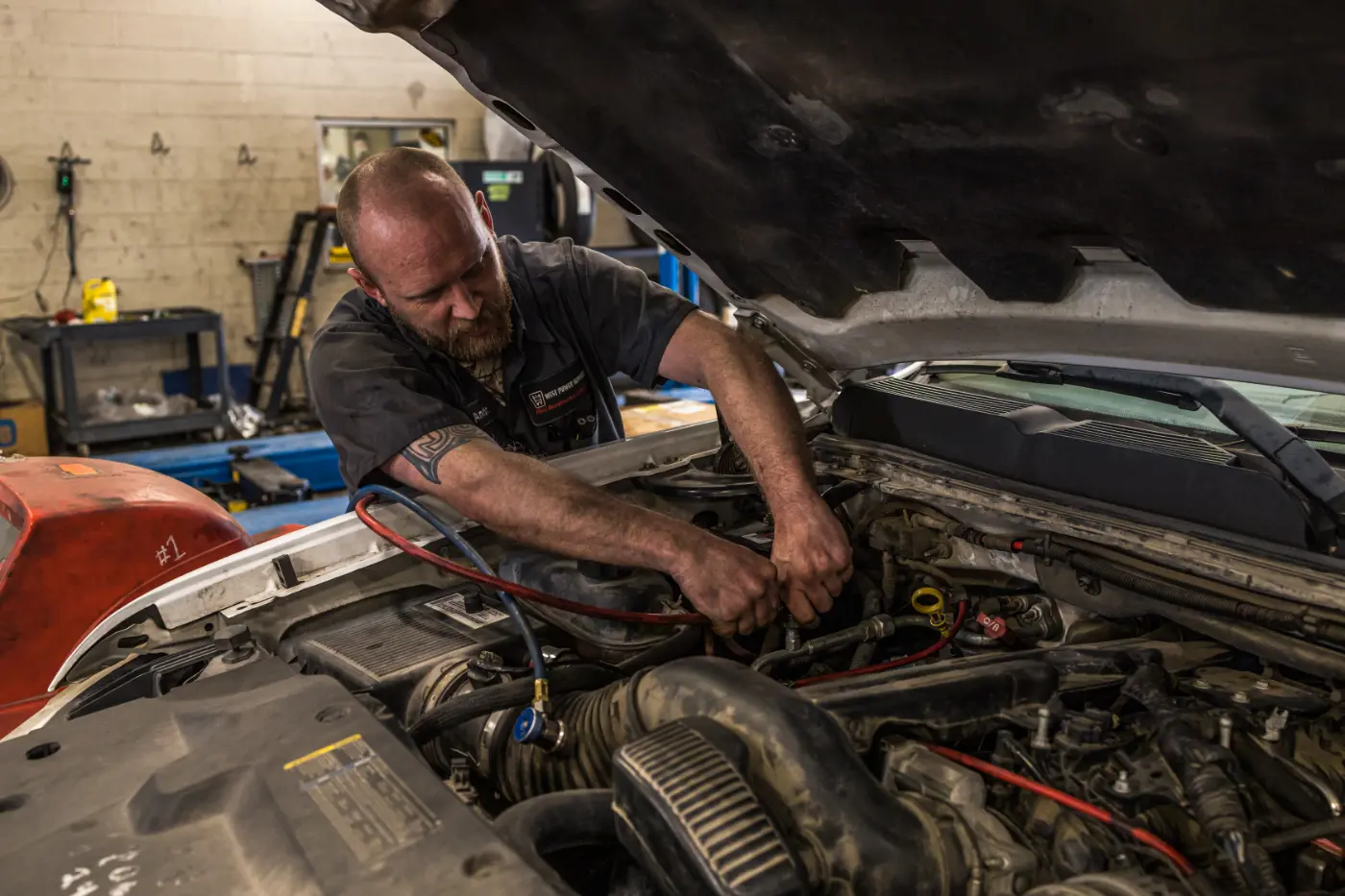
More Than an Oil Change: A Repeatable Fleet Maintenance Process
An oil change may be one part of preventive maintenance, but a fleet preventive-maintenance program should provide a repeatable process for every vehicle.
The program should answer:
- When is each vehicle due for service
- Which inspections and maintenance items apply at that interval?
- Where will the work be completed?
- Who receives recommendations and approves additional repairs?
- What work was completed?
- What was identified but deferred?
- When should the vehicle return?
West Power Services helps bring those steps together so your team is not relying on handwritten reminders, disconnected invoices or individual drivers to determine when maintenance is due.
A structured program gives your business a clearer way to plan service, group vehicles around available scheduling windows and keep maintenance information organized by unit.
A West Power Services PM Program Can Include
Defined maintenance intervals: Organize service by mileage, engine hours, calendar dates, manufacturer recommendations or a combination of those factors.
Consistent inspections: Use an appropriate inspection process to review major safety, operating and wear-related systems at each scheduled visit.
Routine maintenance services: Complete the filters, fluids, lubrication and other recurring services assigned to that interval.
Documented findings: Record inspection results, completed work, identified concerns and technician recommendations under the correct vehicle.
Repair authorization: Present findings and obtain approval before completing additional repairs beyond the scheduled maintenance.
Next-service planning: Document outstanding items and establish the next recommended service date, mileage or engine-hour interval.
Preventive-Maintenance Intervals Based on How Your Fleet Operates
Commercial vehicles do not all require the same maintenance schedule.
A truck operating on local delivery routes may experience frequent starts, stops and idle time. A construction vehicle may operate under heavy loads, dusty conditions or uneven terrain. A highway tractor may accumulate mileage more quickly but operate under a different wear pattern.
The appropriate preventive-maintenance interval may be affected by:
- Vehicle class, make, model and age
- Manufacturer recommendations
- Mileage accumulated
- Engine hours and idle time
- Route type and average trip length
- Towing, payload and operating weight
- Power take-off or vocational equipment use
- Jobsite, dust, heat and seasonal conditions
- Driver inspection reports
- Previous repairs and recurring wear patterns
- Required inspection and compliance schedules
During the fleet PM assessment, West Power Services reviews how your vehicles are currently serviced and what information your team already tracks. We can then help organize a practical schedule around vehicle availability and operating demands.
The objective is not to bring trucks in more often than necessary. It is to complete the right maintenance at a useful interval and reduce the chance that known service needs are missed.
What Can Be Included in a Commercial Truck PM Program?
The services performed during a preventive-maintenance visit will depend on the vehicle, its maintenance interval, manufacturer guidance and your fleet’s operating requirements.
A fleet PM program may include the following.
Oil, Filters and Lubrication
- Engine oil and oil-filter replacement
- Fuel-filter replacement
- Air-filter inspection or replacement
- Chassis lubrication where applicable
- Inspection for oil, fuel and other fluid leaks
- Review of fluid condition and levels
Cooling-System Inspection
- Coolant level and condition
- Radiator and visible cooling components
- Hoses, clamps and connections
- Belts and tensioners
- Signs of leaks, overheating or coolant loss
Brake and Air-System Inspection
- Brake wear and visible component condition
- Air lines, hoses and connections where applicable
- Brake-fluid condition on applicable vehicles
- Signs of uneven wear or repeated brake-related problems
- Driver-reported braking concerns
Repeated brake repairs, uneven wear or air-system problems may indicate that the fleet’s inspection intervals need to be adjusted.
Steering and Suspension Inspection
- Steering linkage and visible components
- Suspension wear
- Bushings, joints and mounting points
- Signs of uneven ride height or handling concerns
- Conditions that may contribute to irregular tire wear
Tires, Wheels and Alignment Indicators
- Tire condition and tread wear
- Inflation concerns
- Uneven or accelerated wear patterns
- Wheel condition
- Visible alignment-related symptoms
A PM inspection can identify signs that an alignment evaluation is appropriate, but specialized alignment work may need to be completed at the Nashville repair location.
Battery, Charging and Electrical Systems
- Battery condition
- Cables and visible connections
- Starting and charging concerns
- Exterior lighting
- Warning lights and driver-reported
- electrical problems
- Required safety lighting and equipment
Transmission and Drivetrain Checks
- Fluid condition and levels where accessible
- Visible leaks
- Clutch concerns where applicable
- Driveshaft and U-joint condition
- Vibration or shifting concerns reported by the driver
Tracking fluid condition, leaks, vibration and joint wear over time can help identify developing drivetrain problems before they become repeat failures.
Exhaust and Aftertreatment Review
- Driver-reported regeneration concerns
- Warning lights or fault conditions
- Visible exhaust-system concerns
- Repeated EGR, DPF or aftertreatment issues
- Operating patterns that may contribute to recurring problems
Repeated regeneration and aftertreatment problems may indicate that duty cycle, idle time or maintenance intervals should be reviewed across similar vehicles.
Safety and Operating Equipment
- Exterior lights and reflectors
- Windshield wipers and washers
- Horn
- Mirrors
- Visible safety-equipment concerns
- Other items included in the applicable
- PM checklist
Manufacturer-Recommended Maintenance
Scheduled services can also incorporate manufacturer-recommended maintenance based on mileage, time or engine hours.
How the Fleet Preventive-Maintenance Program Works
1. Start With a Fleet PM Assessment
Tell us about your fleet size, vehicle classes, operating area, current maintenance process and recurring service challenges.
We will review:
- The number and type of vehicles
- Available mileage or engine-hour information
- Existing PM intervals
- Manufacturer maintenance requirements
- Current service records
Vehicle availability - Driver-reporting procedures
- Required approvals
- Shop and mobile-service preferences
- Known recurring problems
2. Organize Vehicles and Maintenance Intervals
Vehicles can be grouped by unit, vehicle class, location, due date or service type.
The schedule may use:
- Mileage-based intervals
- Engine-hour intervals
- Calendar-based intervals
- Manufacturer schedules
- Fleet-established service levels
- Seasonal or operating-condition adjustments
Mixed fleets do not necessarily need one universal schedule. Different vehicle groups can follow different intervals based on how they operate.
3. Schedule Shop or Mobile Service
Preventive maintenance can be scheduled at a West Power Services repair location or, when the work and site conditions are appropriate, at your business or jobsite.
Multiple vehicles may be grouped into a planned service window to reduce the administrative work involved in scheduling separate appointments.
4. Inspect, Service and Document the Vehicle
Our technicians complete the assigned maintenance, inspect the applicable systems and record relevant findings.
When an additional concern is identified, we communicate what was found and provide a recommendation or estimate before completing work outside the authorized PM service.
5. Close the Visit and Plan the Next Interval
Completed work, inspection findings, recommendations and deferred items are documented under the vehicle.
The service record can then be used to determine:
- What was completed
- What still requires attention
- Whether a follow-up repair should be scheduled
- When the vehicle should return
- Whether the existing PM interval remains appropriate
From a PM Finding to an Approved Repair
A preventive-maintenance inspection may identify an issue that goes beyond routine service. That does not mean every recommendation should automatically become an unapproved repair. West Power Services can establish a clear authorization process for your account.
The Repair-Approval Process
- Finding: The technician identifies and documents the concern.
- Recommendation: Your team receives an explanation of the issue and the proposed corrective work.
- Estimate: Pricing and repair information are provided to the designated contact.
- Authorization: An authorized fleet representative approves, declines or defers the work.
- Completion: Approved work is performed when parts, equipment and scheduling permit.
- Documentation: Completed and deferred items are recorded under the appropriate vehicle.
This process helps prevent uncertainty about who approved work, which repairs were completed and which recommendations remain open.
Digital Preventive-Maintenance Records by Vehicle
A maintenance program is difficult to manage when service information is spread across paper files, driver messages, individual invoices and multiple spreadsheets. West Power Services provides fleet customers with access to the Fullbay Customer Portal. Authorized users can review estimates, approve work, monitor service activity and access service history for multiple vehicles in one centralized system. What Should Be Recorded After a PM Visit?
As applicable, each service record should include:
- Vehicle or unit number
- Service date
- Mileage or engine hours provided at intake
- Assigned maintenance interval
- Driver-reported concerns
- Inspection findings
- Maintenance completed
- Filters, fluids and major parts used
- Additional repairs approved
- Work declined or deferred
- Technician recommendations
- Suggested follow-up date
- Next PM mileage, date or engine-hour target
- Invoice and inspection documentation
Use Maintenance History to Identify Patterns
A single repair may be an isolated problem. Repeated repairs across one vehicle or a group of similar vehicles may indicate a larger operating or maintenance issue. Digital service history can help your team review patterns such as:
- Repeated brake wear
- Recurring coolant loss or overheating
- Frequent battery or charging failures
- Repeated DPF or regeneration concerns
- Accelerated tire wear
- Recurring suspension damage
- Similar failures among vehicles with the same duty cycle
- Service intervals that are repeatedly missed
The record does not replace inspection or diagnosis. It gives the fleet manager and service team better context when deciding what should happen next.
Scheduled Mobile and On-Site Fleet Preventive Maintenance
Moving several vehicles to a repair facility can disrupt routes, jobsites and employee schedules. For eligible services, West Power Services can perform scheduled preventive maintenance at your business location or jobsite. Mobile fleet PM may be appropriate for:
- Routine oil and filter services
- Multi-vehicle PM inspections
- Fluid and lubrication services
- Battery and electrical checks
- Lighting and safety-equipment checks
- Minor qualifying repairs
- Follow-up inspections
- Other work that can be completed
- safely and efficiently on-site
Before confirming a mobile visit, West Power Services will review:
- Fleet location
- Number and type of vehicles
- Requested maintenance
- Vehicle access
- Available working space
- Site safety and operating conditions
- Scheduling window
- Applicable service minimums
- Work that may require shop equipment
Mobile service is scheduled rather than operated as a 24/7 emergency-dispatch service. Regular service is generally available Monday through Friday from 7 AM to 4 PM, with weekend appointments available by advance arrangement.
Shop-Based Preventive Maintenance and Follow-Up Repairs
Some maintenance and repair work requires lifts, alignment systems, diagnostic equipment or other shop resources. West Power Services operates commercial truck repair locations in:
902 Murfreesboro Pike
Nashville, TN 37217
615-742-6195
1401 S Dickerson Road
Goodlettsville, TN 37072
615-756-4267
Both locations operate Monday through Friday from 7 AM to 4 PM, with weekend service available by advance appointment. The Nashville facility also provides specialized heavy-duty alignment capability. When a PM inspection identifies work that cannot be completed effectively through mobile service, the vehicle can be directed to the appropriate repair location.
Commercial Vehicles We Can Include in a PM Program
West Power Services provides preventive maintenance for mixed commercial fleets rather than limiting the program to one truck class.
Vehicle types may include:
- Light-duty commercial pickups
- Commercial vans
- Medium-duty service trucks
- Utility and field-service vehicles
- Box trucks and delivery vehicles
- Heavy-duty trucks and tractors
- Vocational and construction trucks
- Commercial trailers
- Diesel-powered fleet vehicles
- Gasoline-powered commercial vehicles
West Power Services currently promotes service capabilities across light-, medium- and heavy-duty commercial vehicles, including diesel- and gasoline-powered fleet units.
Industries Commonly Served
- Freight and transportation
- Delivery and distribution
- Construction and contracting
- Utility and field-service operations
- Landscaping and tree-service businesses
- Local service companies
- Commercial and vocational fleets
When Should a Fleet Review Its PM Intervals?
Maintenance intervals should not remain unchanged when the vehicles’ operating conditions or repair patterns have changed.
It may be time to review your fleet PM schedule when:
- Vehicles repeatedly miss scheduled service
- Brake repairs are becoming more frequent
- Similar vehicles are experiencing the same failures
- Cooling-system problems or overheating are recurring
- DPF regeneration problems are becoming more common
- Tire wear is accelerating
- Trucks are returning with repeated leaks or low-fluid conditions
- Driver inspection reports identify the same problems
- Seasonal demand has increased vehicle utilization
- New routes have increased idle time, stop-and-go operation or load
- Older vehicles require closer inspection
- Unplanned repairs are repeatedly interrupting operations
Service history can help identify which vehicles need different intervals, additional inspection items or closer follow-up.
Preventive Maintenance Program vs. Managed Fleet Maintenance
These two services are related, but they should not compete for the same search intent.
Fleet Preventive-Maintenance Program
This page focuses on:
- Recurring PM schedules
- Vehicle maintenance intervals
- PM inspections
- Oil, filters, fluids and routine service
- Identifying developing problems
- PM documentation
- Next-service planning
- Mobile and shop PM delivery
Managed Fleet Maintenance and Truck Repair
The broader managed fleet program includes:
- Preventive maintenance
- DOT inspections
- Diagnostics and repairs
- Estimate routing and approvals
- Multi-vehicle scheduling
- Fullbay portal access
- Fleet-platform coordination
- Digital repair histories
- Shop and mobile-service coordination
- Ongoing communication across the fleet
Businesses primarily looking for scheduled maintenance should start with a fleet PM assessment. Businesses looking for one provider to coordinate maintenance, repairs, approvals and records across multiple vehicles should explore the complete managed fleet-maintenance program.
Fleet Preventive-Maintenance FAQs
What is a fleet preventive-maintenance program?
A fleet preventive-maintenance program is a recurring process for scheduling inspections and routine maintenance across multiple commercial vehicles. It establishes when each vehicle should be serviced, what should be inspected, how findings are documented and when the vehicle should return.
Is “preventive maintenance” the same as “preventative maintenance”?
Yes. Both phrases generally describe scheduled maintenance intended to identify and address service needs before they become larger problems. West Power Services uses “preventive maintenance” as the primary term throughout its website.
How often should a commercial truck receive preventive maintenance?
The appropriate interval depends on the vehicle, manufacturer recommendations, mileage, engine hours, duty cycle, load, idle time, operating environment and maintenance history. Some fleets use mileage-based intervals, while others use engine hours, calendar dates or a combination of factors.
Can different vehicles follow different PM schedules?
Yes. A mixed fleet may need separate maintenance intervals for light-duty pickups, service trucks, box trucks, heavy-duty vehicles and vocational equipment. Vehicles with different routes, loads and operating conditions should not automatically be placed on the same schedule.
Can West Power Services help organize our existing PM schedule?
Yes. West Power Services can review the schedule and information your team already uses and help organize upcoming maintenance by unit, due date, vehicle type, location or available service window.
Does preventive maintenance include a DOT inspection?
A preventive-maintenance visit and a DOT inspection are not automatically the same service. DOT inspections can be coordinated with the maintenance schedule when appropriate, but the required inspection should be clearly identified when the appointment is scheduled.
What happens when a technician finds an additional problem?
The finding is documented and communicated to the designated fleet contact. When additional work is recommended, an estimate can be presented for authorization before repairs outside the approved PM service are completed.
Can PM service be completed at our business?
Eligible services may be completed through scheduled mobile and on-site maintenance. Availability depends on the vehicle, requested work, fleet location, site conditions, access and scheduling requirements.
Can our team access preventive-maintenance records online?
Fleet customers may use the Fullbay Customer Portal to review service information, estimates, approvals, invoices and vehicle history. Portal setup and authorized users can be discussed during the fleet assessment.
Do we need a large fleet to establish a program?
No. A preventive-maintenance program can be useful for a business operating a few commercial vehicles as well as a larger mixed fleet. The program should be scaled to the number of vehicles and the amount of coordination the operation requires.
Does West Power Services provide 24/7 mobile preventive maintenance?
No. Mobile maintenance is scheduled during normal service availability rather than provided as a 24/7 emergency-dispatch service. Weekend appointments may be arranged in advance.
How do we get started?
Complete the fleet PM assessment with your fleet size, vehicle types, operating area, current maintenance process and primary scheduling concerns. A West Power Services representative can then discuss intervals, service locations, mobile options, approvals and documentation.
Build a Preventive-Maintenance Program Around Your Fleet
Your trucks do not need another generic maintenance checklist. They need a repeatable service process that accounts for how they operate, when they are available and what their repair histories are showing.
West Power Services can help organize preventive-maintenance intervals, schedule shop or mobile service, document inspection findings and keep upcoming service needs visible across your fleet.
Tell us about your vehicles, your current maintenance process and the problems you are trying to prevent.